An educational resource exploring the fundamentals of joint mobility, flexibility concepts, and the role of gentle daily movements in maintaining overall physical comfort.
Educational content only. No medical services. No promises of outcomes.
Learn More
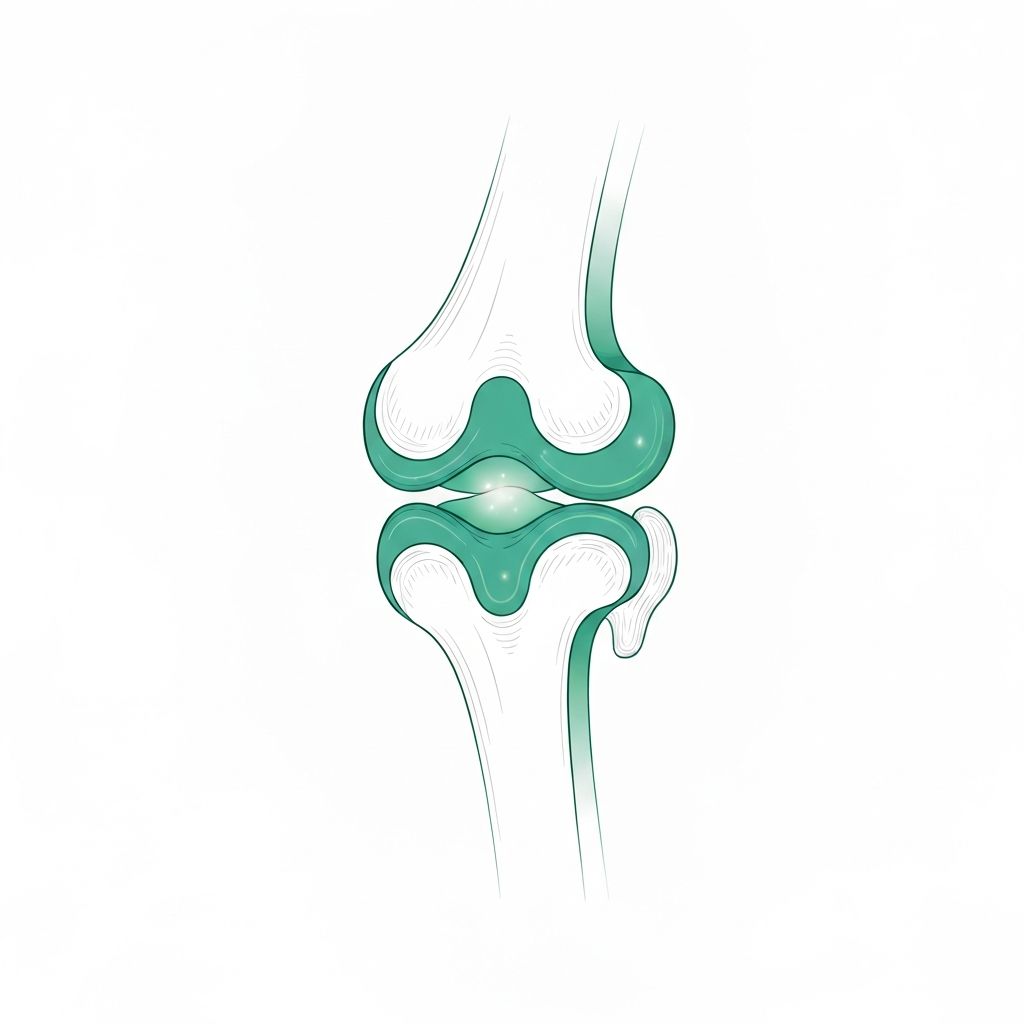
Joints are the connections between bones that allow movement and provide mechanical support. The human body contains various types of joints, each designed for specific ranges of motion and functions.
Understanding how joints work helps explain the importance of regular movement. Synovial joints, the most common movable joints, are surrounded by a capsule filled with synovial fluid that provides lubrication and nutrients to the cartilage.
Regular gentle movement encourages the circulation of this fluid, which may contribute to maintaining comfortable joint function. This is one reason why sedentary lifestyles are often associated with feelings of stiffness.
Mobility refers to the ability of a joint to move freely through its intended range of motion. This differs from flexibility, which specifically refers to the lengthening capacity of muscles and soft tissues.
Good joint mobility involves several factors: the health of cartilage, the viscosity of synovial fluid, the strength of surrounding muscles, and the flexibility of connective tissues.
Joint mobility affects many everyday activities. Simple tasks like reaching for items on shelves, bending to tie shoes, or turning to look behind while driving all depend on joint function.
Various lifestyle factors may influence how joints feel and function. These include activity levels, body weight, posture habits, and the types of movements performed regularly.
This content is educational in nature and presents general information about joint mobility concepts. Individual experiences vary significantly. This information does not constitute personal recommendations and should not replace professional guidance when needed.
Many people incorporate gentle movements into their morning routine. Below are examples of exercises commonly discussed in fitness literature.
Gentle circular movements of the neck are often described as a way to address morning stiffness in the cervical area. The movement typically involves slow, controlled rotations in both directions.
Read Detailed Instructions
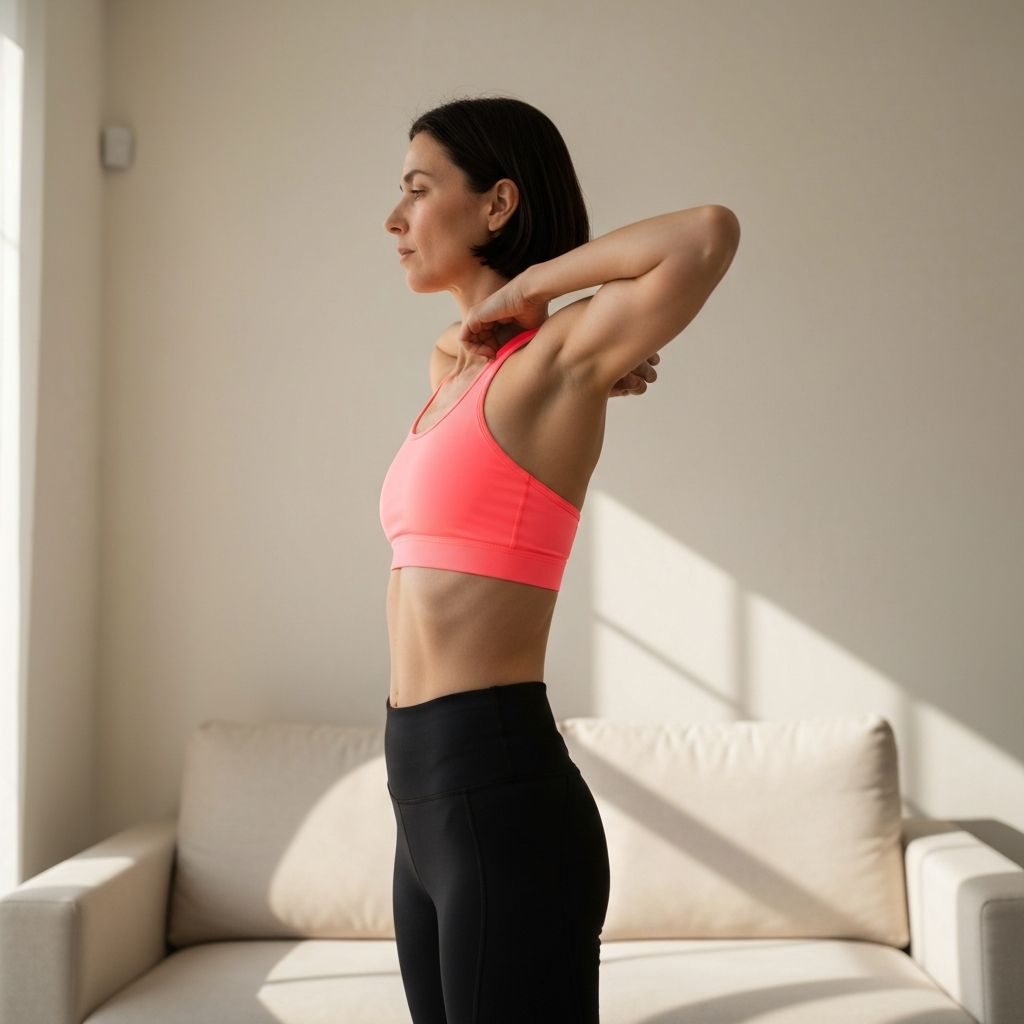
Shoulder circles involve rotating the shoulder joints through their range of motion. This movement is commonly included in warm-up routines and morning stretching sequences.
Read Detailed Instructions
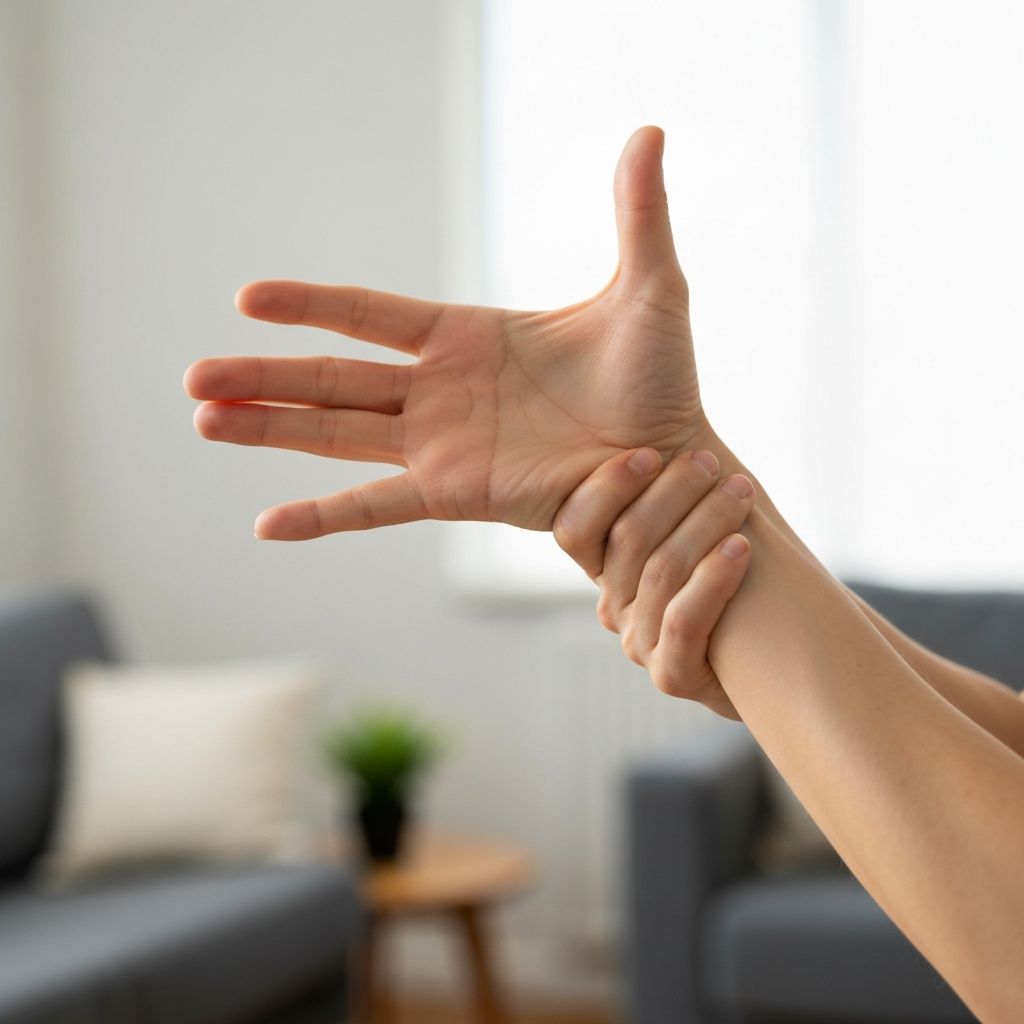
Wrist circles and gentle flexion-extension movements are often recommended for those who work with computers or perform repetitive hand tasks throughout the day.
Read Detailed InstructionsEvening routines often focus on releasing tension accumulated during the day. These exercises are typically performed at a slower pace.
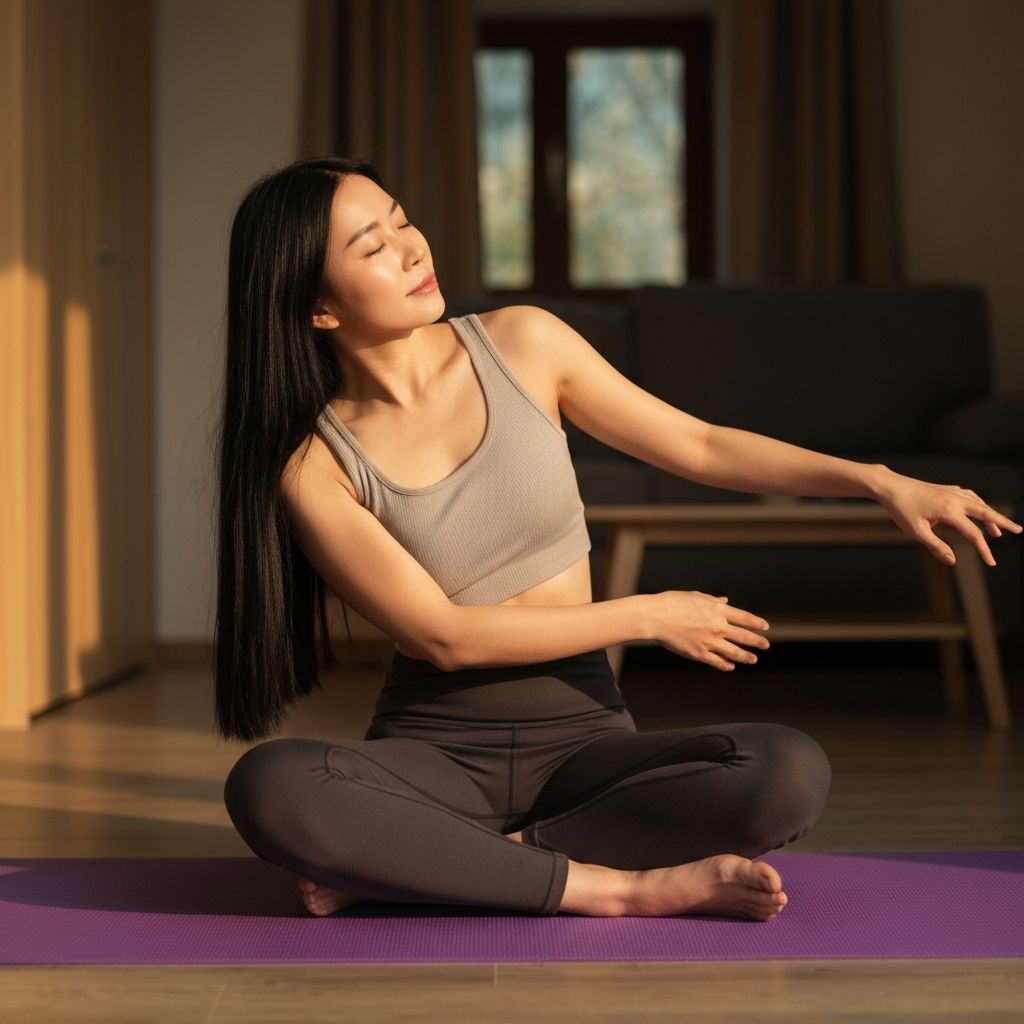
Seated twisting movements address the thoracic spine, which can become stiff from prolonged sitting. The rotation is typically performed gently, holding each side briefly.
Read Detailed Instructions
Standing or lying hip circles help address the hip joints, which bear significant load throughout the day. The movement involves circular motions of the femur in the hip socket.
Read Detailed Instructions
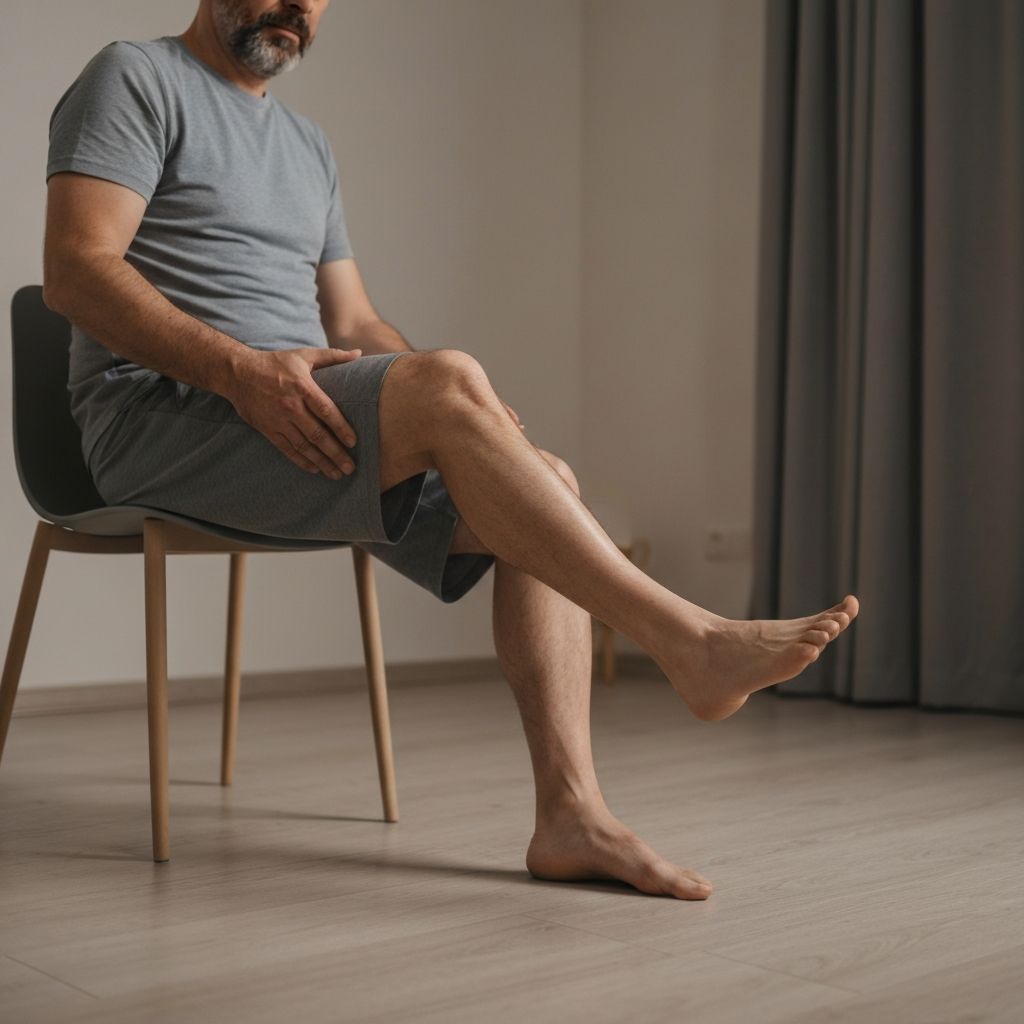
Ankle circles and flexion-extension movements address the joints that support body weight during standing and walking. These are often performed while seated.
Read Detailed InstructionsBeginning any movement routine gradually allows the body to adapt. This approach is generally discussed as preferable to attempting advanced movements immediately.
Pain or significant discomfort during movement is typically described as a signal to stop or modify the activity. Gentle stretching may feel like mild tension but should not cause sharp pain.
Correct positioning during exercises is emphasized in fitness literature as important for both effectiveness and safety. Alignment principles apply to most movement types.
Holding breath during stretching is generally discouraged. Steady, natural breathing is often recommended as it may help muscles relax during movement.
Regular gentle movement is often discussed as more beneficial than occasional intense sessions. Building a sustainable routine is frequently emphasized in fitness education.
Light activity before stretching helps increase blood flow to muscles and joints. This preparation is commonly recommended before any exercise routine.
These tips represent general concepts found in fitness education materials. They do not constitute individual recommendations. Different approaches exist, and what works for one person may not be appropriate for another. This information does not replace personalized guidance.
The knee and hip joints are among the largest in the body and play crucial roles in movement and weight-bearing. These joints are commonly discussed in fitness and wellness literature.
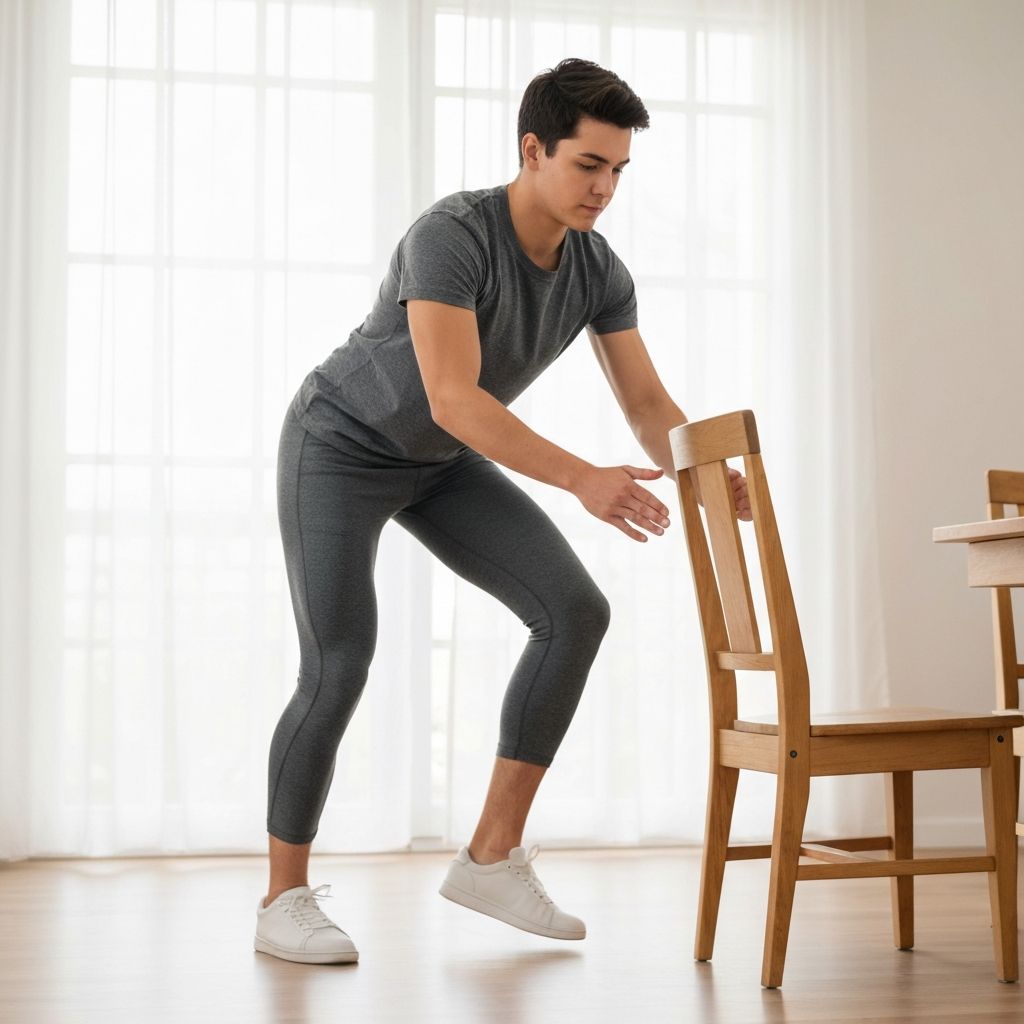
Gentle knee flexion and extension exercises, such as seated leg raises or supported squats, are often described in fitness resources. These movements aim to maintain the range of motion in the knee joint.
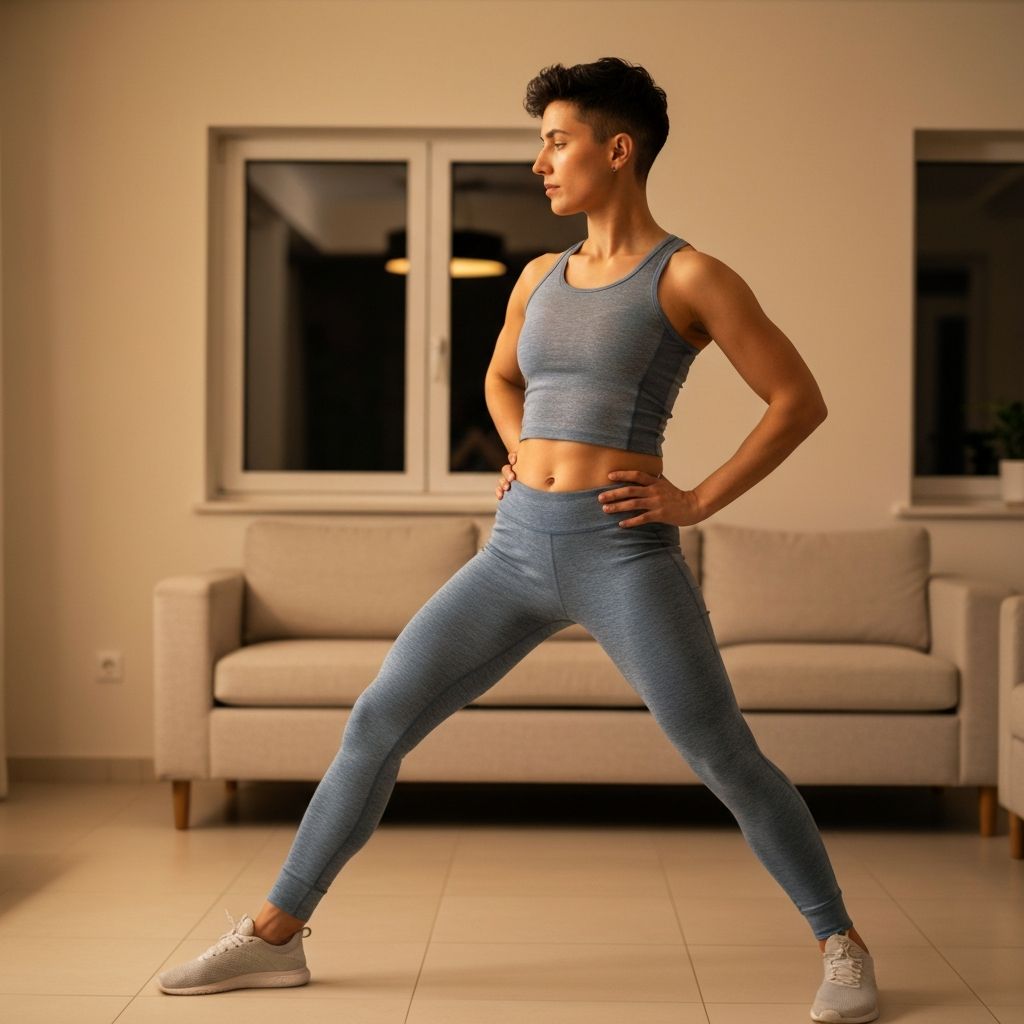
Hip mobility exercises often include movements in multiple planes: flexion-extension, abduction-adduction, and rotation. Examples include leg swings, hip hinges, and supine hip rotations.
The relationship between hip mobility and everyday activities like walking, climbing stairs, and sitting is frequently discussed in educational materials about physical wellness.
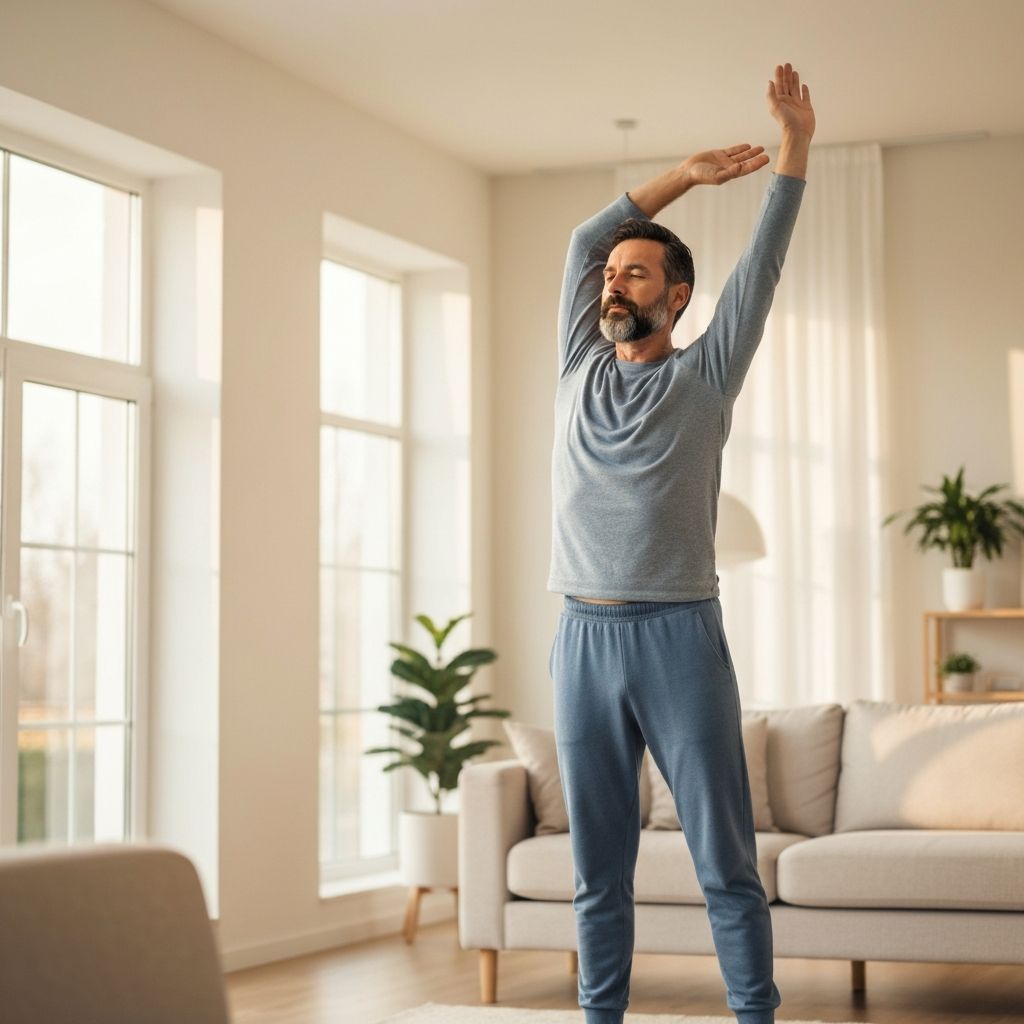
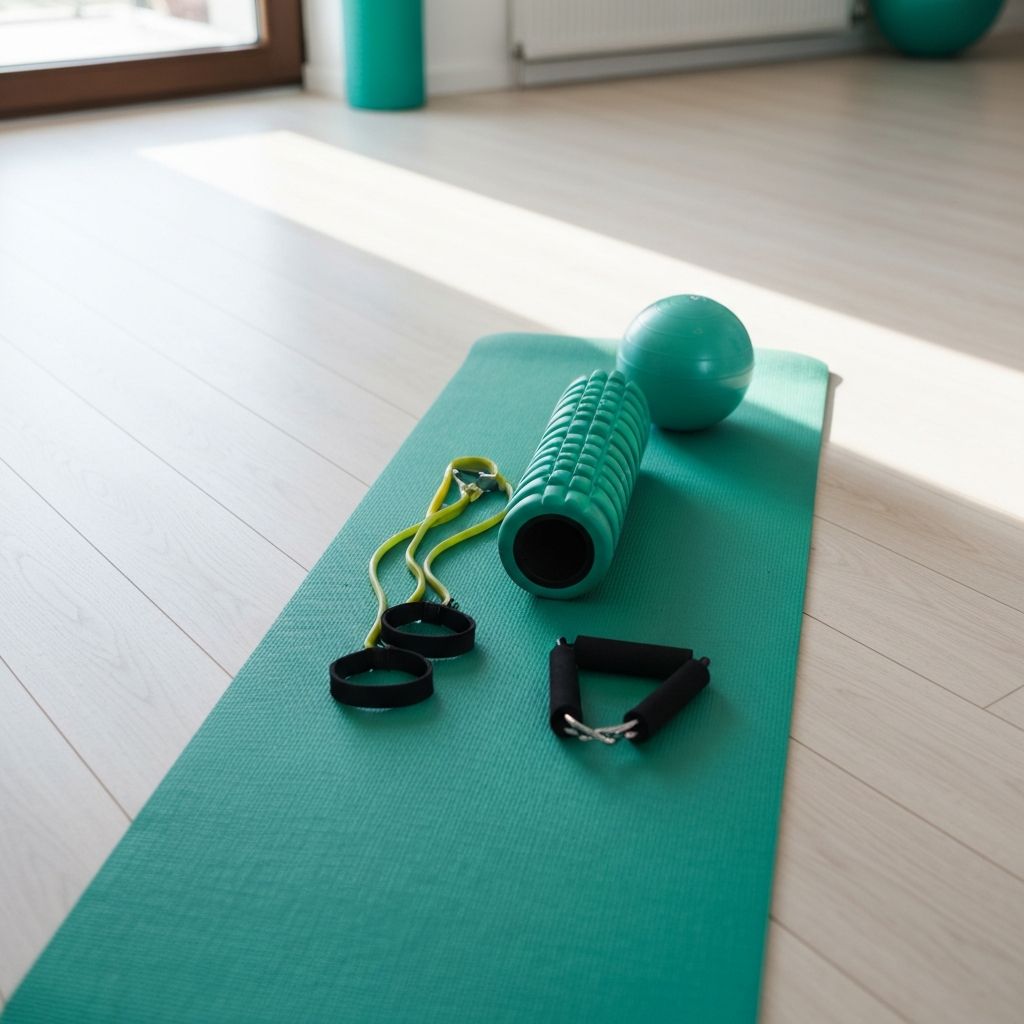
While many joint mobility exercises require no equipment, some people choose to incorporate simple tools into their routines. These items are widely available and do not require significant investment.
Yoga Mat: Provides cushioning for floor-based exercises and helps define a dedicated space for movement practice.
Resistance Bands: Light elastic bands can add gentle resistance to some movements. They come in various tension levels.
Foam Roller: Often used for self-massage techniques, though the effectiveness of foam rolling is a topic of ongoing discussion in fitness research.
Stability Ball: Can be used for seated exercises and some balance-related movements.
Equipment is not necessary for basic mobility exercises. Many effective routines use only body weight and gravity.
This website offers various resources exploring the concepts of joint health, mobility exercises, and related topics. All content is educational and informational in nature.
Learn More About Articlin Explore Contact InformationFor questions about the educational content on this website.
The following types of resources may provide additional information about joint mobility and related topics:
This website is an independent educational resource and is not affiliated with any external organizations.